In recent years, the beauty industry has witnessed a remarkable transformation, with a significant shift towards the use of natural ingredients in skincare. This movement is not merely a trend; it reflects a deeper understanding of the importance of what we apply to our skin. As consumers become increasingly aware of the potential dangers associated with synthetic products, they are turning to organic skincare solutions that prioritize health and well-being. The allure of natural ingredients lies in their ability to provide effective results without the harsh side effects often linked to chemical formulations.The growing popularity of natural ingredients can be attributed to several factors.
First and foremost, there is a rising demand for transparency in product formulations. Consumers are now more informed than ever, thanks to the wealth of information available online and through social media platforms. This awareness has led many to question the safety and efficacy of synthetic components, prompting them to seek out alternatives that are derived from nature. Furthermore, natural ingredients are often celebrated for their rich history in traditional medicine, where they have been utilized for centuries to address various skin concerns.When comparing natural vs synthetic ingredients , it becomes evident that nature offers a plethora of benefits that synthetic alternatives may lack.
Natural ingredients are typically packed with vitamins, minerals, and antioxidants that nourish the skin and promote its overall health. They work in harmony with the body’s natural processes, enhancing skin vitality rather than disrupting it. This gentle yet effective approach makes them suitable for all skin types, including sensitive skin that may react adversely to harsh chemicals.As we delve deeper into the world of natural skincare, it is essential to recognize the myriad benefits these ingredients offer. From combating acne and hyperpigmentation to providing hydration and anti-aging properties, natural ingredients have proven their worth time and again.
By embracing these powerful elements from nature, we can cultivate healthier skin while also supporting sustainable practices that benefit our planet.
The Shift Towards Natural Skincare Products
In recent years, there has been a remarkable shift in consumer preferences towards natural skincare products. This change is not merely a trend; it reflects a deeper understanding of the ingredients that comprise our skincare routines. As consumers become more educated about the potential dangers of synthetic chemicals, they are increasingly seeking out products that prioritize natural ingredients .The rise of natural skincare can be attributed to several factors, with one of the most significant being the growing awareness of the harmful effects associated with many synthetic ingredients. Many traditional skincare products contain parabens, sulfates, and artificial fragrances, which can lead to skin irritation, allergic reactions, and long-term health issues.As information about these risks becomes more accessible through social media and online platforms, consumers are taking a proactive approach to their skincare choices.Transparency in ingredient sourcing has become a crucial aspect of this movement. Consumers are no longer satisfied with vague labels or marketing jargon; they demand clarity about what they are applying to their skin. Brands that provide detailed information about their sourcing practices and ingredient origins are gaining trust and loyalty from consumers. This transparency not only fosters a sense of accountability but also empowers consumers to make informed decisions about the products they choose.Moreover, the benefits of using natural products extend beyond just avoiding harmful chemicals.
Natural ingredients often come packed with vitamins, minerals, and antioxidants that can enhance skin health. For instance, ingredients like aloe vera , jojoba oil , and coconut oil are celebrated for their nourishing properties and ability to hydrate the skin without causing irritation.As this shift continues to gain momentum, it is clear that consumers are prioritizing their health and well-being over convenience or brand loyalty. The demand for natural skincare products is not just a passing phase; it represents a fundamental change in how we view beauty and self-care. By embracing natural ingredients, consumers are not only investing in their skin but also supporting sustainable practices that benefit the environment.
Benefits of Using Natural Ingredients
When it comes to skincare, the benefits of using natural ingredients are numerous and compelling.These ingredients, derived from plants, minerals, and other natural sources, offer a holistic approach to treating various skin concerns while promoting overall skin health.
Effectiveness of Natural Skincare
Natural ingredients have been utilized for centuries in traditional medicine, proving their effectiveness in addressing a wide range of skin issues. Unlike synthetic alternatives that may provide quick fixes but often come with side effects, natural ingredients work in harmony with the skin's biology. For instance:
- Tea tree oilTea tree oil is renowned for its antibacterial properties, making it a go-to solution for acne-prone skin.
- Aloe vera is celebrated for its soothing and hydrating qualities, effectively calming irritated skin.
- Chamomile is often used for its anti-inflammatory benefits, helping to reduce redness and swelling.
Safety of Natural Ingredients
Another significant advantage of natural ingredients is their safety profile. Many synthetic products contain harsh chemicals that can lead to irritation, allergic reactions, or long-term damage.
In contrast, natural ingredients are generally gentler on the skin. For example:
- Shea butter, rich in vitamins and fatty acids, provides deep moisture without clogging pores.
- Jojoba oil closely resembles the skin's natural oils, making it an excellent moisturizer that balances oil production.
- Honey, known for its antibacterial properties, not only hydrates but also promotes healing without adverse effects.
Versatility in Addressing Skin Concerns
The versatility of natural ingredients is another reason they are favored in skincare routines. They can effectively target multiple skin concerns simultaneously. For instance:
- Coconut oil serves as a moisturizer while also acting as an antibacterial agent.
- Green tea extract not only fights signs of aging due to its antioxidant properties but also soothes inflammation.
- Lemon juice, rich in vitamin C, can brighten the complexion while also helping to reduce excess oil., rich in vitamin C, can brighten the complexion while also helping to reduce excess oil.
Their effectiveness, safety, and versatility make them an ideal choice for anyone looking to enhance their skincare regimen while addressing specific concerns naturally and gently.
Natural Ingredients for Common Skin Concerns
When it comes to addressing common skin concerns, the use of natural ingredients has gained significant traction due to their effectiveness and gentleness. Below, we explore some of the most beneficial natural remedies for various skin issues, including acne, hyperpigmentation, dryness, and signs of aging.Acne Treatment
Acne is a prevalent issue that can affect individuals of all ages. While many commercial products contain harsh chemicals, several natural ingredients have proven to be effective in managing breakouts:- Tea Tree Oil: Known for its antibacterial and anti-inflammatory properties, tea tree oil can help reduce the bacteria that cause acne while soothing inflammation. A few drops diluted in a carrier oil can be applied directly to blemishes.
- Willow Bark: This natural source of salicylic acid helps exfoliate the skin and unclog pores, making it an excellent choice for preventing future breakouts.
- Aloe Vera: Renowned for its soothing properties, aloe vera not only hydrates the skin but also helps reduce redness and inflammation associated with acne.
Hyperpigmentation Solutions
Hyperpigmentation can lead to uneven skin tone and dark spots.Fortunately, several natural ingredients can help brighten the skin:
- Vitamin C: This powerful antioxidant is known for its ability to brighten the complexion and fade dark spots by inhibiting melanin production.
- Licorice Root Extract: With its glabridin content, licorice root effectively reduces melanin production, making it a popular choice for treating hyperpigmentation.
- Niacinamide: A form of vitamin B3, niacinamide helps improve skin tone and texture while reducing the appearance of dark spots.
Treating Dryness
Dry skin can be uncomfortable and may lead to other skin issues. Here are some natural ingredients that provide deep hydration:- Shea Butter: Rich in fatty acids and vitamins, shea butter is an excellent moisturizer that nourishes dry skin while providing a protective barrier.
- Hyaluronic Acid:Hyaluronic Acid: Naturally found in the body, hyaluronic acid retains moisture and plumps the skin. Incorporating products with this ingredient can significantly improve hydration levels.
- Coconut Oil: Known for its emollient properties, coconut oil not only hydrates but also has antibacterial benefits that can help maintain healthy skin.
Anti-Aging Ingredients
Aging is a natural process, but certain natural ingredients can help mitigate its effects:- Retinol (Vitamin A): This potent ingredient promotes cell turnover and stimulates collagen production, helping to reduce fine lines and wrinkles.
- Green Tea Extract: Packed with antioxidants, green tea extract protects against free radical damage while also providing anti-inflammatory benefits that can soothe irritated skin.
- Pomegranate Extract: Rich in antioxidants, pomegranate extract helps improve skin elasticity and combat signs of aging by promoting cell regeneration.
Natural Ingredients for Acne Treatment
Acne is a prevalent skin issue that affects individuals of all ages, often leading to frustration and a lack of confidence.While many commercial products promise quick fixes, the use of natural ingredients has gained traction for their effectiveness and gentleness on the skin. Two standout natural treatments for acne are tea tree oil and salicylic acid derived from willow bark.
Tea Tree Oil: Nature's Antiseptic
Tea tree oil, extracted from the leaves of the Melaleuca alternifolia plant, is renowned for its potent antibacterial and anti-inflammatory properties. This essential oil works by:- Reducing Bacteria: Tea tree oil effectively targets the bacteria responsible for acne, particularly Propionibacterium acnes. By inhibiting bacterial growth, it helps prevent new breakouts from forming.
- Soothing Inflammation: The anti-inflammatory properties of tea tree oil help reduce redness and swelling associated with acne lesions, promoting a calmer complexion.
- Regulating Oil Production: For those with oily skin, tea tree oil can help balance sebum production, reducing the likelihood of clogged pores.
A few drops can be applied directly to blemishes or mixed into your regular moisturizer for broader application.
Willow Bark Extract: A Natural Source of Salicylic Acid
Willow bark extract, derived from the bark of the willow tree (Salix alba), is another powerful natural ingredient in acne treatment. It contains salicylic acid, a well-known compound in many acne-fighting products. Here’s how willow bark extract benefits acne-prone skin:- Exfoliation: Salicylic acid is a beta hydroxy acid (BHA) that penetrates deep into the pores, helping to exfoliate dead skin cells and prevent clogging. This action is crucial in reducing the formation of blackheads and whiteheads.
- Anti-Inflammatory Effects: Similar to tea tree oil, willow bark extract possesses anti-inflammatory properties that can help soothe irritated skin and reduce redness associated with active breakouts.
- Pore Minimization: Regular use of willow bark extract can lead to visibly smaller pores over time, contributing to a smoother skin texture.
This natural alternative not only treats existing acne but also helps prevent future breakouts.In conclusion, both tea tree oil and willow bark extract offer effective natural treatments for acne. By harnessing their unique properties, individuals can achieve clearer skin without the harsh side effects often associated with synthetic products. As always, it’s advisable to perform a patch test before introducing new ingredients into your skincare regimen to ensure compatibility with your skin type.
Natural Solutions for Hyperpigmentation
Hyperpigmentation is a common skin condition characterized by dark patches or spots on the skin, often resulting from factors such as sun exposure, hormonal changes, or inflammation. While there are numerous treatments available, many individuals are turning to natural remedies that offer effective solutions without the harsh side effects associated with synthetic products.Among the most potent natural ingredients for addressing hyperpigmentation are vitamin C and licorice root extract.Both of these ingredients have been celebrated for their ability to brighten the skin and promote a more even skin tone.
Vitamin C: A Brightening Powerhouse
Vitamin C is renowned for its antioxidant properties, which help protect the skin from free radical damage caused by environmental stressors like UV rays and pollution. This powerful vitamin plays a crucial role in collagen synthesis, which is essential for maintaining skin elasticity and firmness.When it comes to hyperpigmentation, vitamin C works by inhibiting melanin production, the pigment responsible for dark spots. Regular use of vitamin C can lead to:- Fading Dark Spots: Over time, vitamin C can significantly lighten hyperpigmented areas, resulting in a more uniform complexion.
- Brightening Skin Tone: Its brightening effects can enhance overall radiance, making the skin appear healthier and more vibrant.
- Reducing Inflammation: Vitamin C also possesses anti-inflammatory properties that can help soothe irritated skin, further aiding in the reduction of pigmentation.
Licorice Root Extract: Nature's Skin Soother
Licorice root extract has been used for centuries in traditional medicine for its numerous health benefits. One of its key components, glabridin, has been shown to inhibit tyrosinase activity, an enzyme involved in melanin production.This makes licorice root extract particularly effective in treating hyperpigmentation.The benefits of licorice root extract include:
- Evening Out Skin Tone: By reducing melanin production, licorice root helps to fade dark spots and create a more balanced complexion.
- Soothing Properties: It is known for its anti-inflammatory effects, making it suitable for sensitive skin types prone to irritation.
- Antioxidant Benefits: Licorice root is rich in antioxidants that protect the skin from oxidative stress and promote overall skin health.
Hydration and Moisturization with Natural Ingredients
Maintaining optimal hydration levels is crucial for healthy skin. Dehydrated skin can lead to a range of issues, including flakiness, irritation, and premature aging.Fortunately, nature offers a plethora of effective solutions to keep our skin well-hydrated and moisturized.
Natural Moisturizers: A Gentle Approach
Natural moisturizers are derived from plant-based sources and are often free from synthetic chemicals that can irritate the skin. These ingredients not only hydrate but also nourish the skin, promoting a healthy and radiant complexion. Here are two standout natural moisturizers:- Hyaluronic Acid: This naturally occurring substance in our bodies is renowned for its incredible ability to retain moisture. Hyaluronic acid can hold up to 1,000 times its weight in water, making it a powerhouse for hydration.
As we age, our natural levels of hyaluronic acid decrease, leading to dryness and loss of elasticity. Incorporating hyaluronic acid into your skincare routine can help replenish moisture levels, resulting in plumper and more youthful-looking skin.
- Shea Butter: Extracted from the nuts of the shea tree, shea butter is a rich emollient that provides deep hydration. It is packed with fatty acids and vitamins A, E, and F, which work together to nourish and protect the skin barrier. Shea butter not only hydrates but also has anti-inflammatory properties that can soothe irritated skin.
Its thick consistency makes it an excellent choice for those with dry or sensitive skin.
The Importance of Hydration
Hydration is not just about applying moisturizers; it’s about ensuring that your skin retains moisture throughout the day. Natural ingredients like hyaluronic acid and shea butter play a vital role in this process by creating a protective barrier that locks in moisture while allowing the skin to breathe.Incorporating these natural ingredients into your daily skincare routine can significantly improve your skin's hydration levels. Look for serums or creams that feature hyaluronic acid as a key ingredient, and consider using shea butter as a nighttime moisturizer to allow your skin to absorb its nourishing properties while you sleep.Ultimately, prioritizing hydration with natural ingredients not only enhances your skin's appearance but also contributes to its overall health. By choosing products that harness the power of nature, you can achieve a glowing complexion that feels as good as it looks.Anti-Aging Benefits of Natural Ingredients
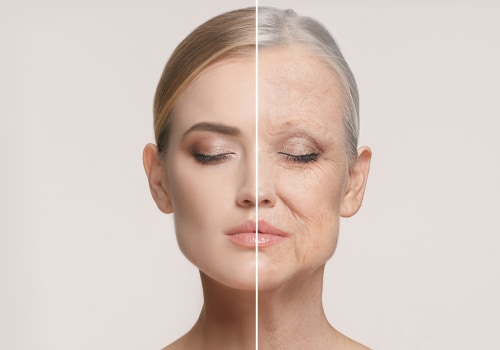
As we age, our skin undergoes various changes that can lead to the appearance of fine lines, wrinkles, and a loss of elasticity.While many people turn to synthetic products like retinol to combat these signs of aging, there are numerous natural ingredients that offer effective alternatives without the potential side effects associated with harsher chemicals.
Natural Alternatives to Retinol
Retinol, a derivative of vitamin A, is renowned for its ability to promote cell turnover and stimulate collagen production. However, it can sometimes cause irritation, especially for those with sensitive skin. Fortunately, several natural ingredients can provide similar benefits:- Bakuchiol: Often referred to as a natural retinol alternative, bakuchiol is derived from the seeds and leaves of the Psoralea corylifolia plant. Research has shown that it can improve the appearance of fine lines and wrinkles while being gentler on the skin.
- Rosehip Oil: Rich in vitamins A and C, rosehip oil helps to regenerate skin cells and improve skin texture.
Its high antioxidant content also aids in reducing signs of aging.
- Pomegranate Extract: This powerful extract is packed with antioxidants that help protect the skin from free radical damage. It also promotes collagen production, which is essential for maintaining skin elasticity.
The Power of Green Tea Extract
Another remarkable natural ingredient in the fight against aging is green tea extract. Known for its high concentration of polyphenols, particularly epigallocatechin gallate (EGCG), green tea extract offers numerous benefits:- Antioxidant Protection: The antioxidants in green tea help neutralize free radicals that contribute to premature aging. By reducing oxidative stress on the skin, green tea extract can help maintain a youthful appearance.
- Anti-Inflammatory Properties: Green tea extract has been shown to reduce inflammation, which can lead to redness and irritation.
This makes it an excellent choice for those with sensitive or reactive skin.
- Improved Skin Elasticity: Studies suggest that green tea extract may enhance collagen synthesis, leading to firmer and more resilient skin over time.
How to Incorporate Natural Ingredients into Your Skincare Routine
Incorporating natural ingredients into your skincare routine can be a transformative experience, enhancing not only the health of your skin but also your overall well-being. Here are some practical tips and DIY recipes to help you seamlessly integrate these powerful elements into your daily regimen.Start with a Patch Test
Before diving into the world of natural skincare, it’s essential to perform a patch test.This helps ensure that you don’t have any adverse reactions to new ingredients. Apply a small amount of the product or DIY mixture to a discreet area of skin, such as the inside of your wrist, and wait 24 hours to see if any irritation occurs.
DIY Skincare Recipes
Creating your own skincare products can be both fun and rewarding. Here are a few simple recipes that utilize natural ingredients:- Honey and Oatmeal Face Mask: Mix 2 tablespoons of honey with 1 tablespoon of finely ground oatmeal. Apply to your face for 15-20 minutes before rinsing off with warm water.
This mask is excellent for hydration and soothing irritated skin.
- Coconut Oil Moisturizer: Use organic coconut oil as a moisturizer after cleansing. It’s rich in fatty acids and provides deep hydration while also acting as an antibacterial agent.
- Aloe Vera Gel for Sunburn: Apply fresh aloe vera gel directly from the plant to sunburned areas. Its cooling properties help soothe and heal the skin.
Best Practices for Natural Skincare
To maximize the benefits of natural ingredients, consider the following best practices:- Choose Quality Ingredients: Always opt for high-quality, organic ingredients when possible. This ensures that you’re getting the most potent benefits without harmful additives.
- Stay Consistent: Natural ingredients often take time to show results.
Incorporate them into your routine consistently for at least a few weeks to see noticeable improvements.
- Layer Wisely: When using multiple natural products, apply them in order from thinnest to thickest consistency. For example, start with serums or oils before applying heavier creams.
- Hydrate Internally: Don’t forget that skincare starts from within. Drink plenty of water and consume a balanced diet rich in fruits and vegetables to support your skin’s health.
<strong>FAQs about Natural Ingredients in Skincare</strong>
As the popularity of natural ingredients in skincare continues to rise, many consumers have questions about their efficacy, safety, and application. Here are some frequently asked questions that can help clarify the role of natural ingredients in skincare.What are natural ingredients?
Natural ingredients are derived from plants, minerals, and other organic sources.They are typically free from synthetic chemicals and artificial additives, making them a preferred choice for those seeking gentler skincare options. Common examples include essential oils, botanical extracts, and natural butters.
Are natural ingredients safe for all skin types?
While many people find natural ingredients to be safe and effective, individual reactions can vary. It’s essential to conduct a patch test before using a new product extensively. Some natural ingredients, like essential oils, can be potent and may cause irritation in sensitive skin types.Always consult with a dermatologist if you have specific concerns.
How do I know if a product contains high-quality natural ingredients?
Look for products that list their ingredients clearly on the label. High-quality products will often highlight the source of their natural ingredients and avoid vague terms like "fragrance" or "parfum." Additionally, certifications such as organic or cruelty-free can indicate a commitment to quality.Can natural ingredients effectively treat skin concerns?
Yes, many natural ingredients have been used for centuries to address various skin issues. For instance, tea tree oil is renowned for its antibacterial properties that help combat acne, while aloe vera is celebrated for its soothing effects on irritated skin. However, results can vary based on individual skin types and concerns.Are there any side effects associated with natural ingredients?
While generally considered safe, some natural ingredients can cause allergic reactions or irritation in certain individuals.For example, citrus oils can increase photosensitivity, leading to sunburn if used before sun exposure. Always research specific ingredients and consult with a healthcare professional if you have concerns.