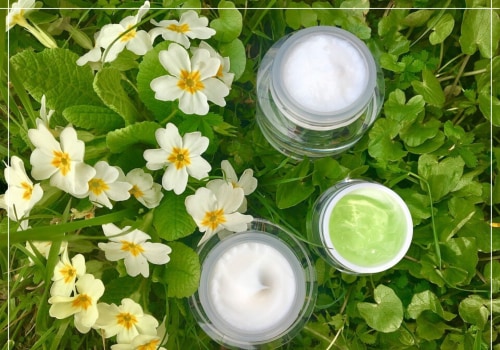
In recent years, the term natural ingredientsnatural ingredients has gained significant traction in the beauty and personal care industry. But what exactly does it mean? At its core, natural ingredients are derived from plants, minerals, and other naturally occurring sources, as opposed to being synthetically manufactured in a laboratory. This distinction is crucial as it not only influences the efficacy of the products we use but also impacts our health and the environment. As consumers become more conscious of what they apply to their skin and hair, understanding the essence of natural ingredients becomes paramount.The benefits of incorporating natural ingredients into personal care products are manifold.
For starters, they often contain fewer harmful chemicals, making them a safer choice for individuals with sensitive skin or allergies. Many synthetic ingredients can lead to adverse reactions, while natural alternatives tend to be gentler and more nourishing. Furthermore, natural ingredients are typically rich in vitamins, antioxidants, and essential fatty acids that promote overall skin health and vitality. This inherent goodness not only enhances the appearance of our skin but also supports its long-term well-being.When comparing natural versus synthetic ingredients, it’s essential to recognize that not all synthetic components are harmful; some can be effective and safe.
However, the growing preference for natural options stems from a desire for transparency and sustainability in product formulation. Consumers are increasingly aware of the environmental impact of their choices, leading them to seek out products that align with their values. By choosing items made with natural ingredients, individuals can contribute to a more sustainable future while enjoying the myriad benefits these components offer.
The Rise of Natural Ingredients in the Beauty Industry
In recent years, the beauty industry has witnessed a significant shift towards the use of natural ingredients. This trend is not merely a passing fad; it reflects a deeper consumer awareness regarding health, wellness, and environmental sustainability.As individuals become more informed about the potential risks associated with synthetic chemicals, they are increasingly opting for products that prioritize natural components.The rise of natural ingredients in beauty products can be attributed to several factors. First and foremost, consumers are now more educated than ever. With access to information at their fingertips, they can easily research the ingredients in their favorite products. This has led to a growing demand for transparency from brands, pushing them to disclose their ingredient lists and sourcing practices.Moreover, social media platforms have played a pivotal role in amplifying this trend.
Influencers and beauty enthusiasts often share their experiences with natural products, highlighting their benefits and effectiveness. This grassroots movement has encouraged many consumers to reconsider their choices and seek out alternatives that align with their values.Another driving force behind the popularity of natural ingredients is the increasing concern over personal health. Many synthetic ingredients have been linked to adverse health effects, such as skin irritations, hormonal imbalances, and even long-term health risks. As a result, consumers are gravitating towards products that feature plant-based or organic components, believing them to be safer and more beneficial for their skin.Additionally, the environmental impact of beauty products is becoming a significant consideration for many shoppers.
The production of synthetic ingredients often involves harmful processes that contribute to pollution and resource depletion. In contrast, natural ingredients are typically sourced from renewable resources and are often produced using sustainable practices. This alignment with eco-friendly values resonates with consumers who are increasingly prioritizing sustainability in their purchasing decisions.As brands respond to this growing demand for natural ingredients, we see an influx of new products entering the market. From skincare to haircare, companies are reformulating existing lines or launching entirely new ones that emphasize natural components.
This not only caters to consumer preferences but also fosters innovation within the industry as brands experiment with various plant-based formulations.In conclusion, the rise of natural ingredients in the beauty industry is a multifaceted phenomenon driven by consumer awareness, health concerns, and environmental considerations. As this trend continues to evolve, it is likely that we will see even more brands embracing natural formulations, ultimately reshaping the landscape of personal care products.
Debunking the Cost Myth: Are Natural Ingredients Always More Expensive?
The perception that natural ingredients are inherently more expensive than their synthetic counterparts is a widespread belief, but it deserves a closer examination. While it is true that some natural products can carry a higher price tag, this is not a universal rule. Several factors contribute to the pricing of beauty products, and understanding these can help consumers make informed choices.One of the primary reasons for the higher cost of certain natural ingredients is the method of sourcing.Many natural ingredients are derived from plants that require specific growing conditions, which can limit their availability. For instance, rare botanicals or those that are harvested in small quantities often come with a premium price due to their scarcity. In contrast, synthetic ingredients can be mass-produced in laboratories, significantly reducing their cost.Additionally, the extraction and processing methods for natural ingredients can be labor-intensive and time-consuming. For example, extracting essential oils from flowers or herbs involves complex processes such as steam distillation or cold pressing, which demand both time and skilled labor. Many natural ingredients are derived from plants that require specific growing conditions, which can limit their availability. For instance, rare botanicals or those that are harvested in small quantities often come with a premium price due to their scarcity. In contrast, synthetic ingredients can be mass-produced in laboratories, significantly reducing their cost.Additionally, the extraction and processing methods for natural ingredients can be labor-intensive and time-consuming. For example, extracting essential oils from flowers or herbs involves complex processes such as steam distillation or cold pressing, which demand both time and skilled labor.
This contrasts sharply with the production of synthetic alternatives, which can be manufactured quickly and at scale.Another factor influencing the cost is the commitment to sustainable practices. Many brands that focus on natural ingredients prioritize eco-friendly sourcing and production methods. This often means investing in sustainable farming practices or using biodegradable packaging, which can increase overall costs. However, these practices resonate with environmentally conscious consumers who are willing to pay a bit more for products that align with their values.Moreover, marketing plays a significant role in product pricing.
Brands that emphasize their use of natural ingredients often position themselves as premium products in the market. This branding strategy can lead to higher prices as companies seek to convey quality and exclusivity. However, it’s essential for consumers to differentiate between genuine quality and mere marketing hype.Ultimately, while some natural products may be more expensive due to these factors, there are also many affordable options available that utilize natural ingredients. Consumers should look beyond the price tag and consider the overall value offered by a product, including its effectiveness and alignment with personal values regarding health and sustainability.
Factors Influencing the Cost of Natural Ingredients
Understanding the cost of natural ingredients requires a closer look at several key factors that influence their pricing.These factors include sourcing, production processes, and packaging, each playing a significant role in determining the final cost of products containing natural ingredients.
Sourcing Natural Ingredients
The journey of natural ingredients begins with sourcing, which can be a complex and often costly process. Unlike synthetic ingredients that can be produced in bulk in laboratories, natural ingredients are derived from plants, minerals, and other organic sources. This means that their availability is subject to seasonal variations and environmental conditions.- Geographical Location: The location where the ingredients are sourced can greatly affect their cost. For instance, rare botanicals that grow in specific regions may require extensive travel and logistics to reach manufacturers, adding to the overall expense.
- Harvesting Practices: Sustainable harvesting methods are essential for maintaining ecological balance but can also increase costs.
Ethical sourcing practices ensure that plants are harvested without depleting their populations, which may involve more labor-intensive methods.
- Quality Control: Ensuring high-quality natural ingredients often requires rigorous testing and certification processes. This commitment to quality can lead to higher prices compared to mass-produced synthetic alternatives.
Production Costs of Natural Products
The production process for natural ingredients is typically more intricate than that of synthetic ones. Several factors contribute to this increased complexity:- Extraction Methods: Many natural ingredients require specialized extraction methods, such as cold pressing or steam distillation. These techniques are often labor-intensive and time-consuming, resulting in higher production costs.
- Small Batch Production: Many brands prioritize small batch production to maintain quality and freshness.
While this approach ensures superior products, it also means higher costs per unit compared to large-scale manufacturing.
- Ingredient Stability: Natural ingredients can have shorter shelf lives than synthetic ones, necessitating careful handling and storage conditions that can further drive up production costs.
The Role of Packaging
Finally, packaging plays a crucial role in the overall cost of products containing natural ingredients. Many consumers today prefer eco-friendly packaging options that align with their values regarding sustainability.- Material Choices: Biodegradable or recyclable materials often come at a premium compared to traditional plastic packaging. Brands committed to sustainability may invest more in packaging that minimizes environmental impact.
- Aesthetic Appeal: Natural products often emphasize aesthetic appeal through unique and attractive packaging designs. This focus on presentation can also contribute to higher costs.
Understanding these elements helps consumers appreciate the value behind products made with natural ingredients.
The Benefits of Choosing Natural Ingredients
Choosing products that contain natural ingredients offers a multitude of benefits that extend beyond mere aesthetics. These advantages encompass health, environmental sustainability, and overall well-being, making them a wise choice for consumers who are conscious about their impact on both their bodies and the planet.Health Advantages of Natural Products
- Reduced Chemical Exposure: Many synthetic ingredients in personal care products can contain harmful chemicals linked to various health issues, such as skin irritations, allergies, and even more severe conditions like hormonal disruptions and cancer. By opting for natural ingredients, consumers can significantly reduce their exposure to these potentially harmful substances.
- Gentler on Skin: Natural ingredients are often less irritating than their synthetic counterparts. For individuals with sensitive skin or conditions like eczema, products formulated with natural components can provide soothing benefits without the risk of adverse reactions.
- Nourishing Properties: Many natural ingredients are rich in vitamins, minerals, and antioxidants that promote skin health.
For instance, oils derived from plants like jojoba or argan are known for their moisturizing properties, while botanical extracts can help rejuvenate and repair damaged skin.
Sustainability of Natural Ingredients
- Eco-Friendly Sourcing: Natural ingredients are typically sourced from renewable resources. This means that they can be harvested without depleting the earth's resources, unlike many synthetic chemicals that rely on non-renewable fossil fuels.
- Biodegradability: Products made with natural ingredients tend to break down more easily in the environment compared to synthetic alternatives. This reduces pollution and minimizes the ecological footprint associated with personal care products.
- Support for Biodiversity: The cultivation of natural ingredients often encourages sustainable farming practices that protect ecosystems and promote biodiversity. By choosing products with natural components, consumers can support agricultural methods that are beneficial to the environment.
From enhancing health by minimizing chemical exposure to promoting sustainability through eco-friendly practices, these ingredients offer a holistic approach to beauty and wellness. As consumers become more informed about the impact of their choices, the demand for natural products continues to grow, paving the way for a healthier future for both individuals and the planet.
Understanding Product Labels: What to Look For
When it comes to choosing personal care products, understanding product labels is crucial for identifying genuine natural ingredients. With the rise of greenwashing—where brands mislead consumers about the naturalness of their products—being able to read labels effectively can empower you to make informed choices.1.Familiarize Yourself with Common Terms
- Natural: This term is often used loosely. While it may imply that a product contains ingredients derived from nature, it does not guarantee that the product is free from synthetic additives.
- Organic: Look for products labeled as organic, which should meet specific standards set by certifying bodies.
These products are typically free from synthetic pesticides and fertilizers.
- Non-toxic: This term suggests that a product does not contain harmful chemicals, but it is not regulated. Always check the ingredient list for confirmation.
2.Look for Certifications
Certifications can provide assurance that a product meets certain standards for natural and organic ingredients. Here are some reputable certifications to look for:
- USDA Organic: This certification indicates that at least 95% of the ingredients are organic.
- Ecocert: A certification that ensures products meet strict environmental and health standards.
- Cosmos: This certification focuses on organic and natural cosmetics, ensuring transparency in sourcing and production.
3.Analyze the Ingredient List
The ingredient list is where you can truly assess the authenticity of a product. Here are some tips for analyzing it:
- Order Matters: Ingredients are listed in descending order by weight.
If natural ingredients appear at the bottom of the list, they may be present in minimal amounts.
- Avoid Long Lists of Chemicals: If you see many unfamiliar chemical names, it may indicate that the product contains synthetic ingredients.
- Watch for Fillers and Additives: Ingredients like parabens, sulfates, and artificial fragrances can detract from a product's natural claims.
4.Be Wary of Marketing Buzzwords
Terms like "all-natural" or "pure" can be misleading. Always verify these claims by checking the ingredient list and looking for certifications. Remember, just because a product is marketed as natural does not mean it is free from harmful substances.By taking the time to understand product labels and what to look for, you can confidently choose personal care products that align with your values and health needs. This knowledge not only helps you avoid misleading claims but also supports your journey towards a more sustainable lifestyle.
The Impact of Greenwashing in the Beauty Industry
In recent years, the beauty industry has witnessed a significant shift towards natural ingredients, driven by consumer demand for safer and more environmentally friendly products.However, this surge in popularity has also given rise to a troubling phenomenon known as greenwashing. Greenwashing refers to the practice of misleading consumers about the environmental benefits of a product or company, often through exaggerated claims or deceptive marketing tactics.Many brands capitalize on the growing trend of natural ingredients by labeling their products as "eco-friendly" or "organic" without adhering to the necessary standards. This can create confusion among consumers who are genuinely seeking products that align with their values. To navigate this complex landscape, it is essential to understand how to identify greenwashing and make informed choices.
Recognizing Greenwashing Tactics
Greenwashing can take many forms, and being aware of these tactics can help consumers avoid falling victim to misleading claims.Here are some common signs of greenwashing:
- Vague Language: Phrases like "all-natural" or "eco-friendly" without specific details can be red flags. Always look for concrete information about the ingredients and sourcing.
- Lack of Certification: Genuine natural products often carry certifications from reputable organizations, such as USDA Organic or Ecocert. If a product lacks these certifications, it may not be as natural as claimed.
- Misleading Imagery: Brands may use images of nature or green colors to evoke a sense of sustainability without backing it up with actual practices.
- Focus on One Ingredient: Highlighting one natural ingredient while ignoring harmful synthetic components can be a tactic to distract from the overall formulation.
How to Avoid Greenwashing
To protect yourself from greenwashing, consider the following strategies:- Research Brands: Look into the brand's history and practices. Brands committed to sustainability will often provide transparency about their sourcing and production methods.
- Read Labels Carefully: Familiarize yourself with ingredient lists and look for certifications that verify the product's claims.
- Seek Third-Party Reviews: Check independent reviews and consumer reports that evaluate product efficacy and authenticity.
- Educate Yourself: Stay informed about common marketing tactics used in the beauty industry.
The more you know, the better equipped you will be to spot misleading claims.
Consumer Education: Making Informed Choices About Natural Products
In today’s market, where the demand for natural ingredients is surging, consumer education has never been more critical. With a plethora of products claiming to be natural or organic, it is essential for consumers to arm themselves with knowledge to make informed choices about their beauty purchases.Understanding the nuances of ingredient transparency is vital. Many brands utilize marketing tactics that can mislead consumers into believing their products are entirely natural when they may contain synthetic additives.To navigate this landscape effectively, consumers should:
- Read Labels Carefully: Always check the ingredient list on product packaging. Ingredients are typically listed in descending order by quantity, so if natural ingredients are at the bottom of the list, they may not be present in significant amounts.
- Look for Certifications: Seek out products that have been certified by reputable organizations such as USDA Organic or Ecocert. These certifications ensure that the product meets strict standards for being truly natural or organic.
- Avoid Greenwashing: Be wary of terms like "eco-friendly" or "natural" that are not backed by certifications. Research brands and their claims to ensure they align with your values.
For instance, knowing that certain oils require extensive plant material and labor-intensive extraction methods can help justify their higher price points. This knowledge fosters appreciation for the craftsmanship behind these products.Additionally, engaging with brands through social media or their websites can provide insights into their ingredient sourcing and production practices. Many companies are now more transparent about their processes and are willing to share information about how they source their natural ingredients sustainably.Ultimately, making informed choices about beauty products containing natural ingredients involves a combination of research, critical thinking, and awareness of marketing tactics. By prioritizing education and transparency, consumers can confidently select products that not only meet their beauty needs but also align with their health and environmental values.
Conclusion: The True Value of Natural Ingredients Beyond Cost
In summary, the conversation surrounding natural ingredients in personal care products is multifaceted and often misunderstood.While it is true that many natural products come with a higher price tag, this cost is not merely a reflection of marketing strategies or consumer trends; it is rooted in the complexities of sourcing, production, and sustainability.Throughout this article, we have explored the various factors that contribute to the pricing of natural ingredients. From the labor-intensive processes involved in harvesting plant materials to the eco-friendly packaging choices that align with consumer values, each element plays a significant role in determining the final cost of these products. However, it is essential to recognize that this investment goes beyond mere monetary value.The long-term benefits of using products formulated with natural ingredients are substantial. Not only do they promote better health by minimizing exposure to harmful synthetic chemicals, but they also offer gentler alternatives for those with sensitive skin or specific allergies.
The nourishing properties inherent in many natural ingredients can lead to improved skin and hair health over time, making them a worthwhile investment for consumers.Moreover, choosing natural products contributes to a more sustainable future. By supporting brands that prioritize eco-friendly practices and natural sourcing, consumers play a crucial role in reducing environmental impact and promoting biodiversity. This conscious choice fosters a market that values quality over quantity and encourages innovation in sustainable practices.As we move forward in an increasingly health-conscious society, it is vital for consumers to educate themselves about the true value of natural ingredients. Understanding the implications of our purchasing decisions can empower us to make informed choices that align with our values and contribute positively to our well-being and the planet.In conclusion, while the initial cost of natural ingredients may seem daunting, their long-term benefits—ranging from health improvements to environmental sustainability—far outweigh the upfront investment.
By embracing these products, we not only enhance our personal care routines but also support a movement towards a healthier and more sustainable world.